You want a vacation place where you can click into your skis, stroll to dinner, and count on steady rental demand when you are not in town. Buying in Steamboat’s Mountain Area can deliver that, but success comes from planning the details. In this guide, you’ll learn how to evaluate buildings, confirm short-term rental rules, navigate financing, and run a smart due diligence process. Let’s dive in.
What the Mountain Area Means
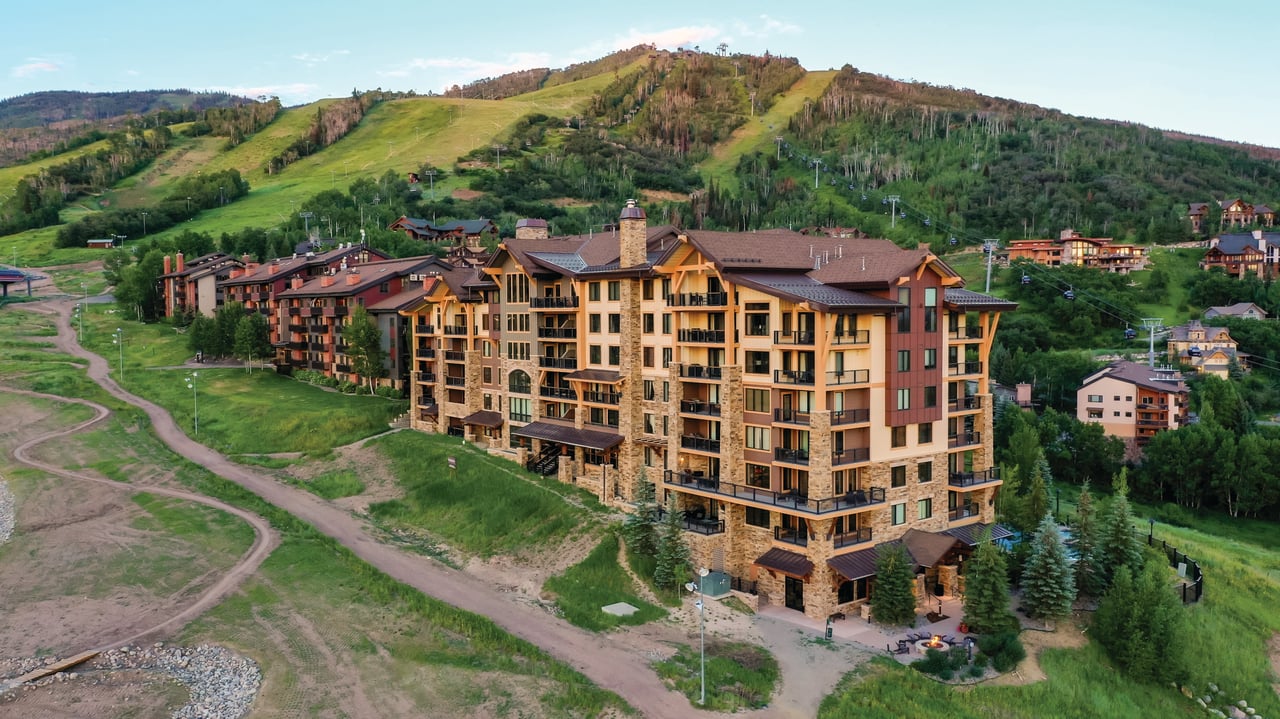
Steamboat’s Mountain Area sits at and around the base of Steamboat Ski Area near Steamboat Square, Apres Ski Way, and Ski Trail Lane. You will find buildings that range from slope-adjacent classics to premium, newer residences with full-service amenities. The location supports strong seasonal demand from ski season through summer.
Your main priorities here are clear: quick slope access, proven rental potential during peak weeks, turnkey convenience like ski lockers and covered parking, and HOA rules that actually fit your plan. Keep those goals front and center as you compare buildings and units.
Evaluate the Building First
Ski access and location
How you get to the mountain matters for value and guest reviews. Check whether a building is true ski-in/ski-out, a short walk to the gondola, or reliant on a shuttle. The opening of the Wild Blue Gondola in December 2023 improved access to Sunshine Peak and expanded terrain, which is a sellable feature for base-area properties. You can read more about the project on the resort’s update on the Wild Blue Gondola opening.
Building age and major systems
Ask about the roof, plumbing risers, elevators, heating plant, and whether utilities are central or unit metered. Older infrastructure with deferred maintenance increases the chance of special assessments. If units share central systems, your exposure to common-area repairs is higher, so budget for that risk.
Amenities and operations
Amenities influence both your experience and nightly rates. Look for in-building ski lockers, hot tubs or a pool, front-desk or concierge services, heated garage or valet, and on-site rental desks. Some properties, like Rockies Condominiums, highlight family-friendly amenities and base-area convenience, which can support occupancy and value stays. You can review an example amenity set on the Rockies Condominiums site.
Management model
Understand who runs the show. Is it an owner-run HOA with a volunteer board or a professional management company? Does the building tie into a single rental program or allow multiple managers? Ask for the management contract, termination rights, fee schedules, and recent requests for proposals. These details affect service levels, costs, and how easily you can change direction.
Financial health to review
Request the current operating budget and year-to-date financials, the reserve study and reserve balance, an accounts receivable aging report, and a summary of any recent or pending special assessments. Lenders look closely at reserves and insurance in condo project reviews. For a sense of what underwriters focus on, see Fannie Mae’s condo project review guidance.
Rental Rules You Must Confirm
City STR overlay and licensing
Inside the City of Steamboat Springs, short-term rentals are regulated by an overlay with license types and subzones. Some resort districts allow STRs by right while other areas use licenses, legal-nonconforming registrations, or lotteries in capped zones. Always verify whether the specific unit is eligible for a license and what type applies. Start with the city’s Short-Term Rental Quick Guide.
HOA covenants and policies
Even if the city allows STRs, your building might not. Review the Declaration (CC&Rs), bylaws, rules and regulations, and recent meeting minutes for rental restrictions or minimum lease terms. If there is an on-site rental desk or a developer program, ask for the program agreement and revenue split history.
County lines and nightly rentals
If a property sits outside city limits in unincorporated Routt County, nightly rentals are typically not permitted in residential areas. This boundary issue is easy to miss and can wipe out projected rental income. The statewide legal context is summarized here: The state of short-term rentals in Colorado. Local reporting confirms that the county’s prohibition remains in place for unincorporated residential zones: Routt County’s short-term rental ban is here to stay.
Quick takeaway
- Confirm three layers before assuming STR income: city overlay and license eligibility, HOA covenants, and county location rules.
- Ask whether a current license transfers with the sale and whether any lotteries or caps apply.
- Verify that the seller’s advertised rental status matches current law and HOA rules.
Financing and Insurance Essentials
Second home vs. investment
How you plan to use the condo drives your mortgage path. A true second home can qualify under different underwriting than a non-owner-occupied investment. If you expect frequent nightly rentals, underwriters may classify the loan as an investment, which usually means larger down payments and different pricing. Lenders also complete condo project reviews that look at owner occupancy, delinquencies, reserve funding, litigation, and insurance. See Fannie Mae’s project review overview for what they evaluate.
Project review red flags
Conventional financing can be slowed or blocked if a project shows high owner delinquencies, inadequate reserves, significant litigation, or insurance gaps. In those cases, buyers sometimes pivot to portfolio or non-agency lenders, which may have higher rates or different terms. Ask your lender early about project approval, review path, and any documents needed from the HOA.
Insurance and special assessment risk
Two insurance considerations matter: the association’s master policy and how the HOA has handled premium increases or claims. Many associations have seen rising premiums and higher deductibles, which can lead to higher dues or special assessments. Request the master policy summary, per-occurrence deductibles, and a five-year claims history. Local brokers may recommend loss-assessment coverage in your HO-6 policy. For broader context on premium pressures, see this overview of rising HOA insurance costs.
Your Due Diligence Roadmap
A clean process reduces surprises and keeps your timelines on track. Set contract contingencies that give you enough time to review documents and confirm rental eligibility.
Documents to request immediately
- Governing documents: CC&Rs, bylaws, articles, rules and regulations, and any amendments. The Colorado HOA Information & Resource Center explains owner rights and standard resale documents. Review their guidance at the Colorado HOA Center.
- Financials: current budget, most recent reserve study, reserve balance, year-to-date operating statements, AR aging, and a list of any approved or proposed special assessments. These items matter to lenders per Fannie Mae’s project review.
- Resale or estoppel certificate: current dues, unpaid assessments or fines, and pending special assessments. Ask about the fee and turnaround time. See process background at the Colorado HOA Center.
- Insurance summary: master policy declarations, per-occurrence deductibles, fidelity and liability coverage, and a summary of recent claims. Rising deductibles can increase your out-of-pocket risk; see the trend overview on HOA insurance cost increases.
- Rental history and rules: HOA rental policy, city STR license status for the unit, any registration number, and a 12-month rental ledger if the seller has operated nightly rentals. Use the city’s STR Quick Guide to confirm eligibility.
- Management and operations: property management contract, vendor contracts for elevators, snow removal, janitorial, and any rental pool documents with revenue splits.
Smart offer contingencies
- Document review contingency: 7 to 14 days to review HOA documents and the resale certificate with the right to terminate if you uncover material issues such as a rental ban, large pending special assessments, or project ineligibility.
- Financing contingency: state whether your loan is for a second home or an investment. Require that the HOA provides documents needed for condo project approval. Lender expectations are outlined in Fannie Mae’s condo review guidance.
- STR and license contingency: if rental income is part of your plan, make closing contingent on confirming city STR license eligibility or transfer and HOA permission for nightly rentals. Start with the city’s STR Quick Guide.
Timeline to keep you organized
- Days 0 to 2: Order the resale certificate, request all HOA documents, and introduce your lender to the HOA manager.
- Days 3 to 7: Review governing documents, rental rules, and insurance summary. Verify STR eligibility with the city and confirm whether a license transfers.
- Days 7 to 14: Finalize lender condo review items, scrutinize reserves and AR aging, and resolve any red flags or renegotiate based on findings.
Common Red Flags in Base-Area Condos
- Low reserves or a thin reserve study, which increase the chance of future special assessments.
- High insurance deductibles or recent premium spikes that could lead to higher dues or assessments.
- Building rules that forbid nightly rentals or require long minimum lease terms that do not support STR economics. Always cross-check the HOA with the city’s STR rules.
- A unit outside city limits in unincorporated Routt County, where nightly rentals are typically prohibited in residential zones. See the county context in this legal overview and local reporting that the ban remains in effect for unincorporated areas: Routt County STR ban coverage.
Model Rental Performance Realistically
If income is part of your plan, get building-specific data. Ask for a 12-month ledger from the seller or their manager, including gross revenue, occupancy, owner stays, and all fees. For neutral benchmarks, consult paid STR data providers like AirDNA or Key Data, or speak with local property managers for seasonality and market nuance. Use this information to model net returns after HOA dues, utilities, management, cleaning, supplies, taxes, and insurance.
Your Next Step
Buying in Steamboat’s Mountain Area can be straightforward when you work a clear plan. If you want help confirming STR eligibility, reading HOA financials, and coordinating with a lender who knows ski-area condos, connect with a local expert who does this every day. For guidance tailored to your goals, reach out to Ashley Walcher to start your Steamboat search.
FAQs
What is Steamboat’s Mountain Area for condo buyers?
- It is the base-area district near Steamboat Square with walk-to-slope or short-shuttle access, strong seasonal demand, and a mix of older and newer condo buildings.
How do I confirm if a condo allows short-term rentals?
- Verify three layers: city overlay and license eligibility using the STR Quick Guide, HOA covenants and rules, and whether the property sits inside city limits rather than unincorporated county.
Does gondola proximity affect value and rentability?
- Yes, direct or easy access to the gondola improves guest convenience and pricing, especially with expanded terrain served by the Wild Blue Gondola.
Can I finance as a second home if I plan to rent nightly?
- If nightly rentals are frequent, many lenders classify the loan as an investment property; review your plan with your lender and see Fannie Mae’s condo review criteria for project requirements.
What HOA documents should I review before closing?
- Get CC&Rs, bylaws, rules, meeting minutes, the reserve study, current budget, AR aging, an insurance summary, and the resale certificate; the Colorado HOA Center outlines standard resale materials.
What insurance questions should I ask for a mountain condo?
- Ask what the master policy covers, the per-occurrence deductible, any recent claims, and whether owners commonly carry loss-assessment coverage; rising premiums and deductibles are a known trend, as noted in this overview of HOA insurance costs.