Want to enjoy more of Steamboat without planning every errand around your car? In downtown Steamboat Springs, that idea is more realistic than many buyers expect. If you are looking for a home base that lets you walk to coffee, dinner, events, and the river, this guide will help you understand what car-light living can actually look like, where it works best, and what to keep in mind before you buy. Let’s dive in.
Why downtown works well
Downtown Steamboat Springs functions as a true daily-use neighborhood, not just a visitor area. Main Street Steamboat describes downtown as the heart of the community and the county’s main hub of activity, with restaurants, shops, galleries, coffee shops, outdoor gathering spaces, and recurring events.
That mix matters if you want to live car-light. Instead of driving across town for every small task or outing, you can often combine errands, meals, and social time into one short walk. In practical terms, that can make daily life feel simpler and more connected.
What “car-light” means here
Car-light living in downtown Steamboat does not mean living exactly like you would in a major city. It usually means you can park the car and leave it parked more often, while using walking, biking, and local transit for many everyday trips.
That distinction is important. Downtown gives you strong access to daily amenities and free public transit, but winter weather, seasonal route changes, and parking rules still shape how you move around.
Daily needs are close together
One of downtown’s biggest strengths is how much activity is concentrated in the core. Restaurants, coffee shops, galleries, retail, and community events all add to the convenience of living nearby.
If you value a lifestyle where you can step out your door and get right into your day, downtown has a clear advantage. You are not just close to amenities. You are close to the places where community life regularly happens.
Free transit adds flexibility
Steamboat Springs Transit is a major reason downtown can support a car-light routine. The city says the system is free, carries more than one million riders a year, logs more than 620,000 annual miles, and operates with 15 transit buses, four regional buses, and one curb-to-curb paratransit shuttle.
For many buyers, that free transit system changes the equation. Even if you still own a car, you may not need to use it for every trip across town.
Downtown-to-mountain access
Main Street Steamboat describes the local fixed-route service as year-round and daily, with buses running across town and between downtown and the ski resort mountain village every 20 minutes. The city’s winter route pages show downtown stops at 3rd & Lincoln and 7th & Lincoln, with ski-area stops at the Gondola Transit Center and Ski Time Square.
That makes downtown especially appealing if you want easier access to both Main Street activity and the ski area. You can enjoy a central location without feeling cut off from mountain-side destinations.
Yellow Zone for local trips
For residents living in or near downtown, the Yellow Zone is another useful option. The city describes it as a free, on-demand service that runs daily from 7:00 a.m. to 6:20 p.m. in downtown Steamboat Springs and nearby neighborhoods.
The city also notes that transfers are required if you want to reach West Steamboat, the ski area, or outlying condominium areas. That means the service is best thought of as a local connector rather than a one-ride solution for every destination.
Walking and biking are part of the appeal
Transit matters, but downtown’s walkability is only part of the story. The Yampa River and trail access add another layer to everyday life.
The city says the Yampa River flows through the heart of Steamboat Springs and is one of the defining features that sets the community apart from other mountain resort towns. That riverfront setting makes downtown feel active and outdoors-oriented year-round.
The Yampa River Core Trail
The city says access to parks, open space, trails, and the river is free, and many parks can be reached from the Yampa River Core Trail as it runs from Dougherty Road through downtown to Bear River Park. COTREX lists the trail surface as asphalt and says it allows hiking and biking.
For a downtown resident, that means recreation can fit naturally into your day. A short walk, a bike ride, or a quick trip to the river can feel less like a planned outing and more like part of your normal routine.
Events make downtown feel lived-in
A car-light lifestyle works best when the area around you offers more than convenience alone. Downtown Steamboat has a steady event rhythm that helps the neighborhood feel active and local.
Main Street Steamboat lists annual downtown events including Restaurant Week, Sidewalk Sales, Halloween Stroll, and Holiday Events. Those recurring events add energy to the core and create reasons to stay local rather than drive elsewhere.
Farmers Market as a weekly example
One of the clearest examples is the downtown Farmers Market. Main Street says the market runs on Yampa Street between 5th and 8th on Saturdays from June 6 to September 26, 2026, from 9:00 a.m. to 2:00 p.m., and includes more than 150 vendors.
If you are picturing what downtown life can feel like, this is a strong example. A street that doubles as a weekly shopping corridor and gathering space can make everyday living feel more connected and convenient.
Who this lifestyle fits best
Car-light living is not one-size-fits-all. In downtown Steamboat, it tends to work especially well for buyers who want convenience, flexibility, and lower day-to-day driving.
Based on the downtown amenity mix, transit setup, and parking patterns, this lifestyle can be a strong fit for:
- Local residents who want shorter everyday errands
- Empty nesters or downsizers who prefer lower-maintenance living
- Second-home owners who want a lock-and-leave base near downtown dining and transit access to the ski area
Condo and townhome buyers may benefit most
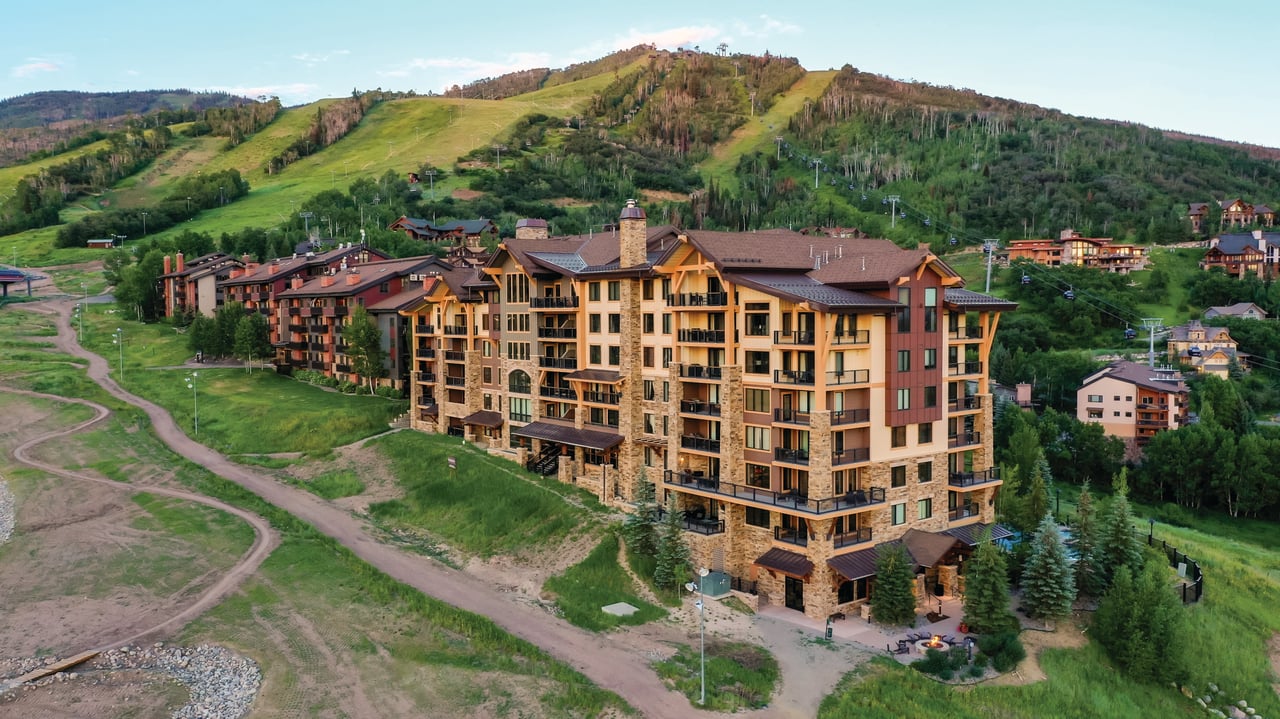
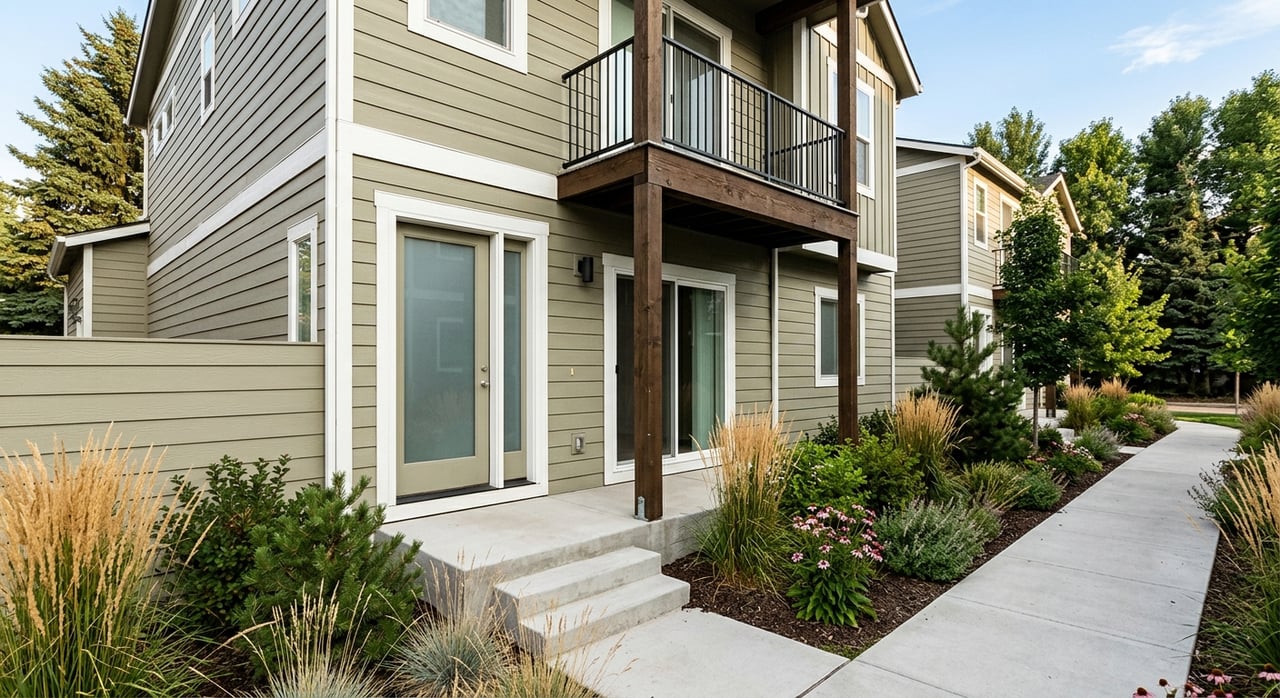
Downtown’s compact layout, parking constraints, and transit access often make condos and townhomes especially attractive. They are not the only housing options, but they are a natural fit for buyers who want a more low-maintenance ownership style.
If your goal is to spend more time enjoying Steamboat and less time managing a larger property, downtown attached housing can be worth a closer look. It often aligns well with the practical side of a car-light lifestyle.
What to consider before you buy
The lifestyle is appealing, but it helps to go in with clear expectations. Downtown convenience does not erase the need to think through parking, winter conditions, and property-specific rules.
A good buying decision starts with understanding how you actually plan to use the home. Full-time living, second-home use, and investment goals can each lead you toward a different property type or location within the broader downtown area.
Winter parking matters
Parking in Steamboat is regulated, not unlimited. The city lists public lots at 9th & Yampa, 8th & Yampa, 7th & Yampa, 8th & Oak, and Stockbridge Transit Center, and it also sets winter no-parking periods from November 1 through April 30 to support snow removal.
This is one of the biggest realities to understand upfront. Winter is often when car-light living gets tested most, because snow removal rules and parking restrictions can affect how easy it is to keep and use a vehicle downtown.
Transit changes by season
The city posts separate summer and winter route sets for Steamboat Springs Transit. The system remains free, but route details can shift depending on the season.
If transit is going to be part of your daily routine, it is smart to think about how that routine changes throughout the year. A location that feels convenient in summer should also make sense for your winter habits.
Short-term rental rules are property-specific
If you are considering a downtown condo or townhome as a second home with short-term rental potential, city rules matter. The city’s short-term rental FAQ says license eligibility depends on zone and property type, and short-term rental licenses do not transfer with the sale of the property.
That means you should not assume a property can be used the way the previous owner used it. If this is part of your decision, confirming the details early can save time and avoid surprises.
Why local guidance matters
A car-light downtown purchase is about more than square footage or finishes. You are really choosing a day-to-day lifestyle that depends on location, access, parking, and how the property fits your plans.
That is where local insight becomes valuable. Knowing how downtown functions across seasons, how different blocks feel, and what to verify for second-home or investment use can help you buy with more confidence.
If you are exploring downtown Steamboat Springs and want a home that supports the way you actually live, Ashley Walcher can help you compare options, think through tradeoffs, and find the right fit for your goals.
FAQs
Is downtown Steamboat Springs good for living without driving every day?
- Yes. Downtown offers a concentrated mix of restaurants, shops, coffee shops, galleries, events, river access, and free transit that can reduce how often you need to drive.
How does free transit work in downtown Steamboat Springs?
- Steamboat Springs Transit is free, runs year-round, and includes fixed routes plus the Yellow Zone on-demand service in downtown and nearby neighborhoods.
Can you get from downtown Steamboat Springs to the ski area without a car?
- Yes. Main Street Steamboat says buses run daily between downtown and the ski resort mountain village every 20 minutes, and winter routes include downtown and ski-area stops.
What should buyers know about winter parking in downtown Steamboat Springs?
- The city regulates parking and enforces winter no-parking periods from November 1 through April 30 to support snow removal, so parking logistics are important to review before you buy.
Are downtown Steamboat Springs condos good for a car-light lifestyle?
- Often, yes. Condos and townhomes can be a strong fit because downtown’s compact layout, transit access, and parking patterns tend to favor lower-maintenance ownership styles.
Can every downtown Steamboat Springs property be used as a short-term rental?
- No. The city says short-term rental license eligibility depends on zone and property type, and licenses do not transfer with the sale of a property.