Wondering if living near Stagecoach Reservoir means easy mountain living, or more day-to-day logistics than you expect? If you are considering a home or land purchase in Stagecoach, it helps to know that the area offers a very specific lifestyle: recreation-forward, scenic, and spacious, but also more rural and variable than an in-town neighborhood. This guide will walk you through what buyers should know about the setting, housing mix, utilities, road access, and ownership realities so you can make a confident decision. Let’s dive in.
Stagecoach Is a Community, Not One Neighborhood
Stagecoach is an unincorporated, county-planned residential area in south Routt County centered around Stagecoach Reservoir and Stagecoach State Park. According to Routt County planning materials, the area includes vacant lots, single-family and multi-family development, agricultural land, and preserved open space. Parts of the community also connect to surrounding public lands, which adds to its open, rural feel.
That setting is a big part of the appeal, but it also shapes daily life. Routt County describes Stagecoach as remote and heavily reliant on Steamboat Springs and Oak Creek for jobs and services. In practical terms, that means you should think of Stagecoach less like a conventional town subdivision and more like a dispersed mountain-rural residential area.
North and South Stagecoach Feel Different
One of the most important things buyers should understand is that Stagecoach is not uniform. The county divides the area into a North Area and a South Area, and the differences between them can affect everything from utilities to road access to the type of housing around you.
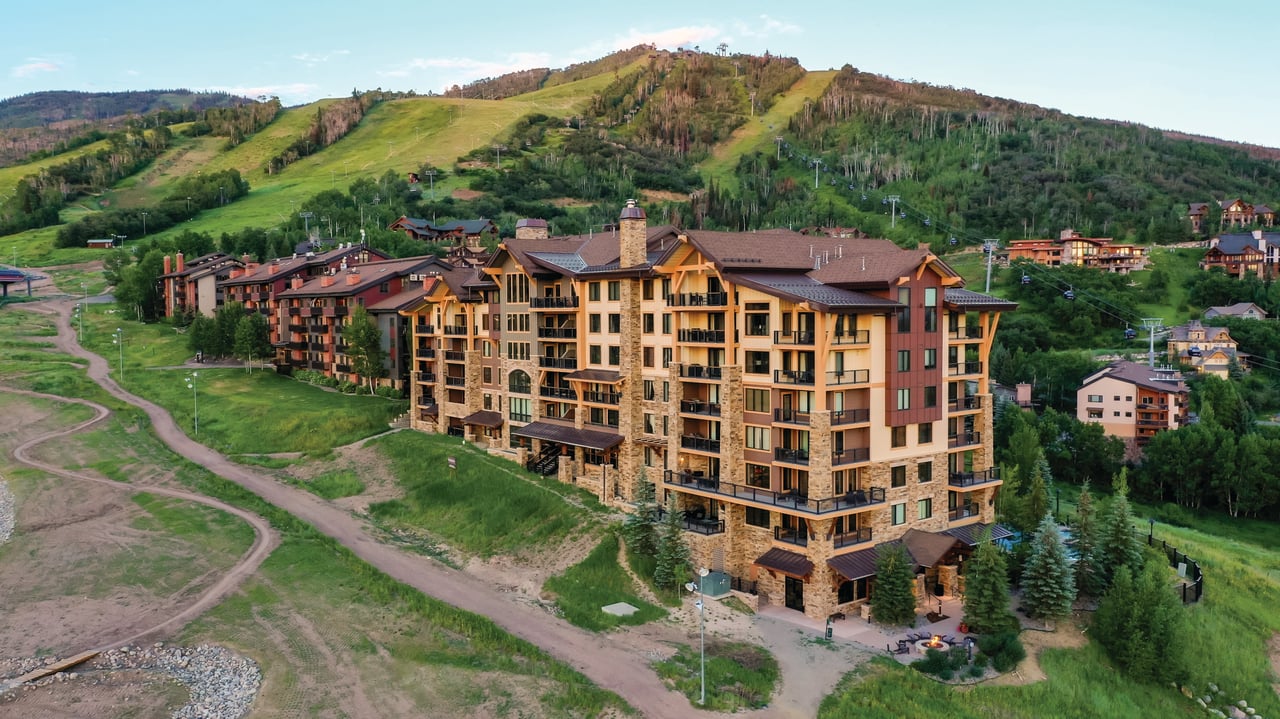
In the North Area, homes are more likely to have electricity, improved roads, and central water and sewer service. This part of Stagecoach also contains much of the area’s multi-family housing, including projects identified in the county plan like Town Homes Projects I and II, Eagle’s Nest, and Wagon Wheel.
The South Area is generally more limited in infrastructure. The county notes that many platted single-family lots there remained undeveloped in part because of road limitations and the lack of centralized water and sewer. If you are buying in the South Area, parcel-level due diligence becomes especially important.
Recreation Is the Lifestyle Anchor
For many buyers, the biggest reason to consider Stagecoach is simple: access to the outdoors. Stagecoach State Park is built around an 820-acre reservoir, and that reservoir shapes the daily rhythm of the area.
From May 1 through October 31, the park offers both motorized and non-motorized boating. Summer recreation also includes fishing, paddleboarding, swimming in wakeless zones, water skiing, and marina access. If you want a home base near lake activity without living in a busier in-town setting, that combination can be a major draw.
The lifestyle does not stop when the weather turns. Colorado Parks and Wildlife highlights winter activities such as ice fishing, cross-country skiing, snowshoeing, fat-tire biking, sledding, and snowmobiling where conditions allow. The reservoir is traditionally frozen from late December through March, and the park offers 8 miles of groomed winter trails.
Trail access is part of the appeal year-round. The park has more than eight miles of trails for hiking, biking, horseback riding, snowshoeing, and cross-country skiing. Buyers should also know that some seasonal closures and winter parking limitations can affect access at certain times of year.
Housing Options Range From Built Homes to Vacant Lots
Stagecoach offers more variety than some buyers expect. County planning materials show a broad housing mix that includes single-family homes, multi-family housing, cabin zoning, large-lot residential uses, and recreational-oriented development.
At the time of the county’s plan update, Stagecoach had 31 platted subdivisions and more than 2,388 platted single-family and multi-family lots. Of those, 1,802 were still vacant. The same report counted 488 dwellings already built, including 324 single-family units and 164 multi-family units.
That mix matters if you are comparing move-in-ready homes with land purchases. Some buyers are drawn to existing homes with more established utility and road access, while others are interested in vacant parcels for future plans. In Stagecoach, those two paths can involve very different timelines, costs, and feasibility questions.
Utilities Need Parcel-by-Parcel Verification
A common mistake is assuming utility service is consistent across Stagecoach. It is not. The Morrison Creek Metropolitan Water & Sanitation District says it serves the Stagecoach Development and currently provides central water and sewer to about 400 single-family living units, while another 110 homes use individual wells and vaults.
That means you should verify service status for the specific lot or home you are considering. A property may have central water and sewer, or it may depend on well and vault systems. The district’s current building-permit process for lots without central utilities includes county road compliance, district review, and well and vault approvals.
If you are buying vacant land, this step becomes even more important. Utility assumptions can change your budget, build timeline, and overall plans for the property. In a market like Stagecoach, careful upfront review can save you from expensive surprises later.
Roads and Winter Access Matter More Here
Road access is one of the biggest practical differences between Stagecoach and in-town living. Routt County says it maintains about 160 miles of paved roads and 500 miles of gravel roads, but it does not maintain private roads, incorporated-town streets, or state highways.
The county also notes that some roads receive minimum to no winter maintenance and may close during winter. Even on maintained routes, some roads may not be plowed until afternoon or the next day after a storm. If you are used to more predictable urban or suburban access, that is a meaningful lifestyle adjustment.
Within Stagecoach itself, road conditions vary by subdivision. Some areas have county-maintained gravel roads, some have partially graveled roads that are privately maintained, and some have mapped but unbuilt roads. The county plan also notes that lot owners in remote areas may need to invest in local roads and infrastructure as development occurs.
The Tradeoff Is Space and Setting
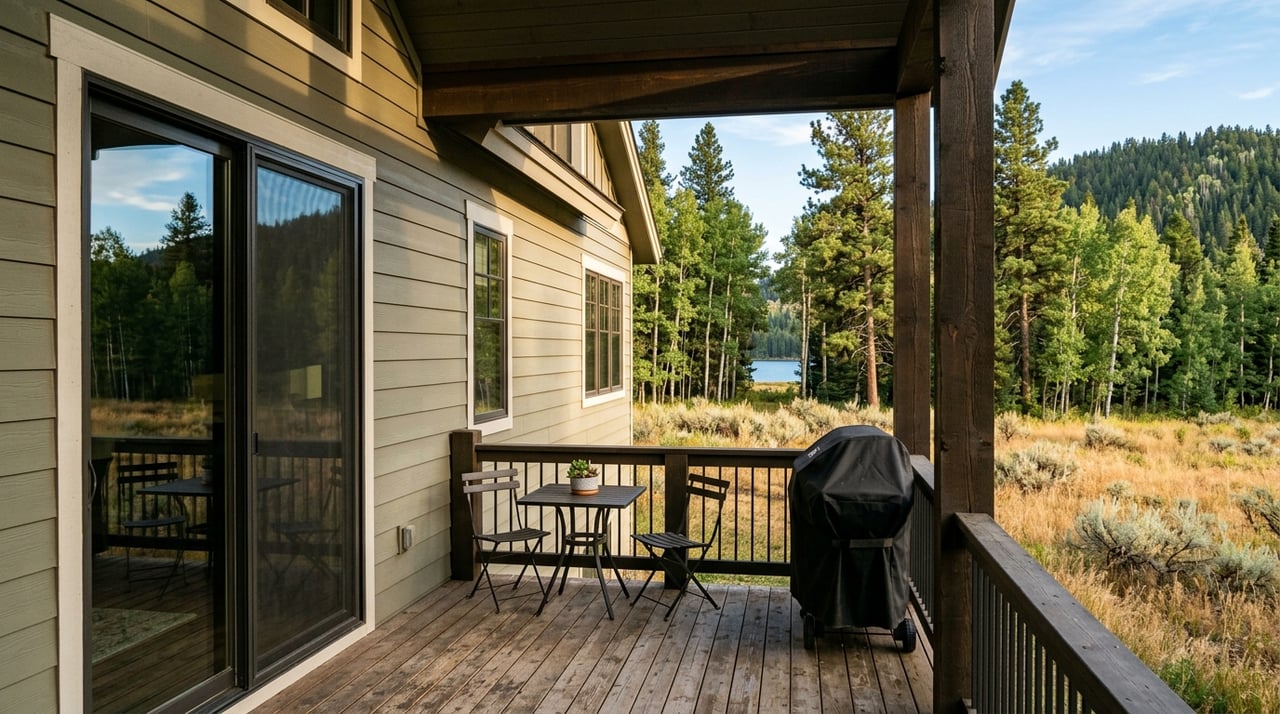
For the right buyer, Stagecoach’s tradeoffs are exactly the point. You may gain more space, open views, reservoir access, and a quieter setting than you would find in a more built-up area. If your ideal day includes launching a boat, taking a trail nearby, or simply having room around you, Stagecoach can deliver a compelling lifestyle.
At the same time, buyers who prioritize close-in services, shorter errands, and more consistent winter access may prefer Steamboat Springs or Oak Creek. Neither option is universally better. It comes down to how you want to live and what kind of daily convenience you need.
Land and Terrain Deserve Careful Review
If you are considering a lot purchase, topography and site conditions should be part of your early review. The county plan discourages development on steep slopes, skylined ridges, and areas with severe wildfire hazard when possible. It also recommends using defensible-space guidance for new human occupancy.
That does not mean land in Stagecoach is off-limits. It means not every parcel will be equally straightforward to build on. Access, slope, utility service, and site conditions can all affect cost and feasibility, so it helps to evaluate land with a realistic lens from the start.
What This Means for Buyers
Stagecoach works best when your expectations match the setting. If you are looking for a recreation-centered Routt County property and you are comfortable with more rural infrastructure realities, the area can offer a lifestyle that is hard to replicate elsewhere. If you want a more turnkey, fully serviced neighborhood feel, you may need to narrow your search to specific parts of Stagecoach or compare it with in-town options.
This is also where local guidance matters. Because Stagecoach varies so much from one subdivision to another, buyers benefit from looking beyond listing photos and asking practical questions early. Utility status, road maintenance, winter accessibility, and development feasibility can all shape whether a property is the right fit for you.
If you are weighing Stagecoach against Steamboat Springs, Oak Creek, or another Routt County location, the goal is not just to find a property you like. It is to find one that supports the way you actually plan to use it, whether that means full-time living, a second home, or a future land investment.
If you want help comparing Stagecoach properties, understanding parcel-level differences, or planning a purchase from near or far, Ashley Walcher can help you navigate the details with clear, local guidance.
FAQs
What is Stagecoach in Routt County?
- Stagecoach is an unincorporated, county-planned residential area in south Routt County centered around Stagecoach Reservoir and Stagecoach State Park, with a mix of homes, vacant lots, open space, and rural development patterns.
What recreation is available near Stagecoach Reservoir?
- Buyers near Stagecoach Reservoir have access to boating, fishing, paddleboarding, swimming in wakeless zones, hiking, biking, horseback riding, snowshoeing, cross-country skiing, ice fishing, and other seasonal recreation offered through Stagecoach State Park.
Are all Stagecoach homes on central water and sewer?
- No. Some homes are served by central water and sewer through the Morrison Creek Metropolitan Water & Sanitation District, while others use individual wells and vaults.
What should buyers know about Stagecoach road access?
- Road conditions vary by subdivision, and winter maintenance can be limited on some roads. Some roads are county maintained, some are privately maintained, and some mapped roads may be unbuilt.
How is Stagecoach different from Steamboat Springs or Oak Creek?
- Stagecoach is generally more remote, more recreation-oriented, and more dispersed, with less uniform infrastructure and more seasonal access considerations than a typical in-town setting.
Is Stagecoach a good place to buy vacant land?
- It can be, but buyers should verify access, utilities, road status, terrain, and development feasibility for each parcel before moving forward.