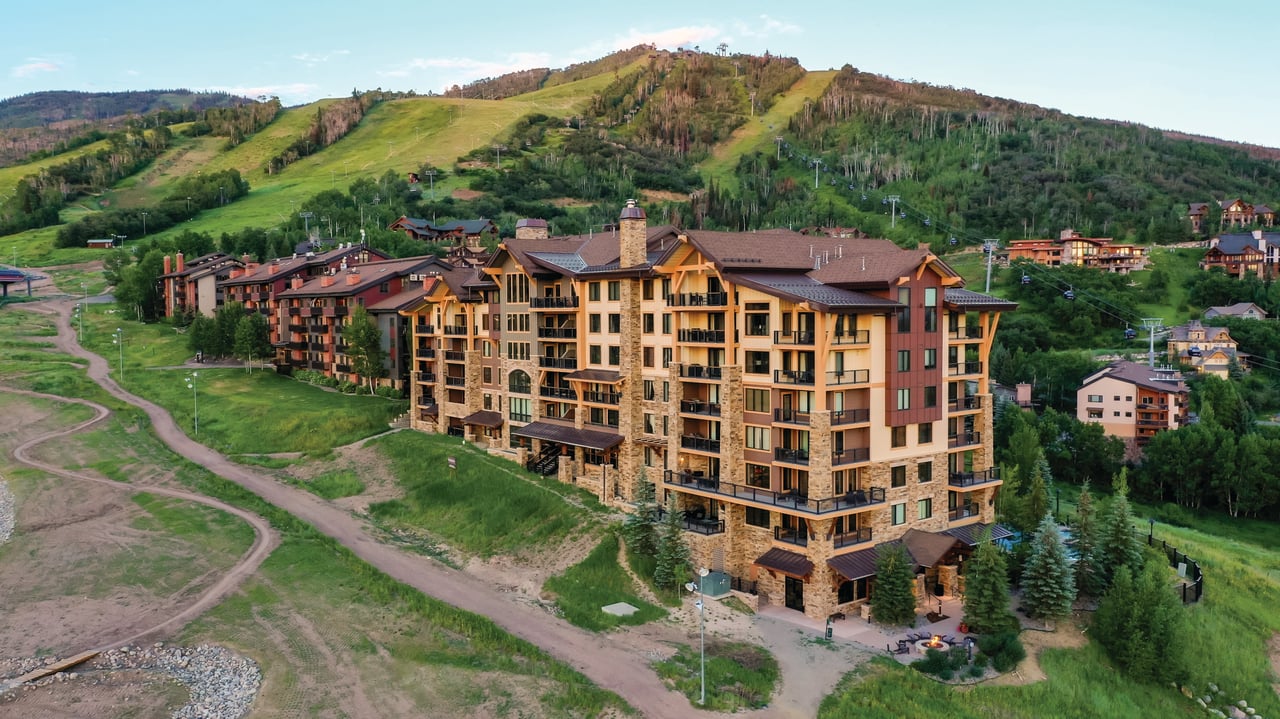
If your Steamboat mountain condo is hitting the market, you are not just selling square footage. You are selling convenience to the ski area, a mountain lifestyle, and in many cases a property type buyers may compare closely against both resale condos and brand-new projects. In today’s market, that means smart pricing, polished presentation, and clear answers to buyer questions matter more than ever. Let’s dive in.
Understand today’s condo market
Selling in the Mountain Area starts with the current numbers. According to the latest Routt County market report, townhouse and condo inventory reached 204 active listings through February 2026, with 6.7 months of supply, 104 days on market, and sellers receiving 96.4% of list price on average.
That points to a market where buyers have options and more room to negotiate. It does not mean well-positioned condos cannot sell well. It means your listing has to compete on price, condition, and presentation instead of relying on low inventory alone.
The Mountain Area remains a major draw because it includes everything from smaller fractional properties to ski-in/ski-out homes and amenity-rich condos near the resort. The 2024 Steamboat annual report notes that Mountain Area condos and townhomes posted 316 sales, with an average sale price of about $1.134 million and an average price per square foot of $744.
Just as important, total dollar volume rose 38% year over year while unit sales rose 6%. That suggests price growth played a bigger role than transaction growth, which is a helpful reminder that buyers still see value in this area, but they are likely to be selective.
Price for today, not last year
One of the biggest mistakes condo sellers make is pricing based on peak-market expectations instead of current competition. In a market with more than six months of supply countywide, buyers can compare your condo not only to recent resales, but also to other active listings and some newer resort-area projects.
The same annual market report highlighted planned condo and townhome projects near the ski area, including The Amble, The Stockman, Astrid, Steamboat Meadows at Wildhorse, Terrain at Walton Creek, and Village Dr. townhomes. That new-construction pipeline matters because resale sellers may be competing against newer finishes, fresh amenities, and buyer incentives in some segments.
For that reason, a strong pricing strategy should account for your exact location, building amenities, condition, rental flexibility, views, updates, and how your condo compares to newer alternatives. Buyers may pay a premium for ski access, better finishes, or a more usable floor plan, but they still want clear value.
Choose the best listing window
Timing matters in a resort market, but not always in the way sellers expect. Many owners assume the holiday season is the best time to list, yet local activity patterns suggest there are multiple strong windows.
According to Steamboat Resort’s operating calendar, the 2025-26 winter season runs from November 22, 2025 through April 19, 2026, with night skiing from December 11 through March 22 and summer operations beginning June 5, 2026. The 2024 annual report found that winter contract activity peaked in March, while summer contracts increased in June, peaked in July, and stayed strong through October.
For many Mountain Area condos, that makes late winter and early spring especially important, with summer as another strong opportunity. Buyers are often in town during those periods, the resort is top of mind, and your condo can be shown in a lifestyle context that helps people picture ownership.
Make your condo shine online
Many Mountain Area buyers are not local. Some are second-home shoppers, some are investors, and some may start their search from another city or state. That makes your condo’s digital presentation one of the most important parts of the sale.
The National Association of Realtors 2025 staging report found that 83% of buyers’ agents said staging made it easier for buyers to visualize a home. The same report found that listing photos, videos, and virtual tours were all considered important by buyers’ agents, and buyers were expected to view a median of 20 homes virtually before seeing 8 in person.
That is especially relevant in Steamboat, where many buyers are comparing options remotely before booking a trip. If your condo does not look compelling online, you may lose interest before a showing is ever scheduled.
Focus on the rooms that matter most
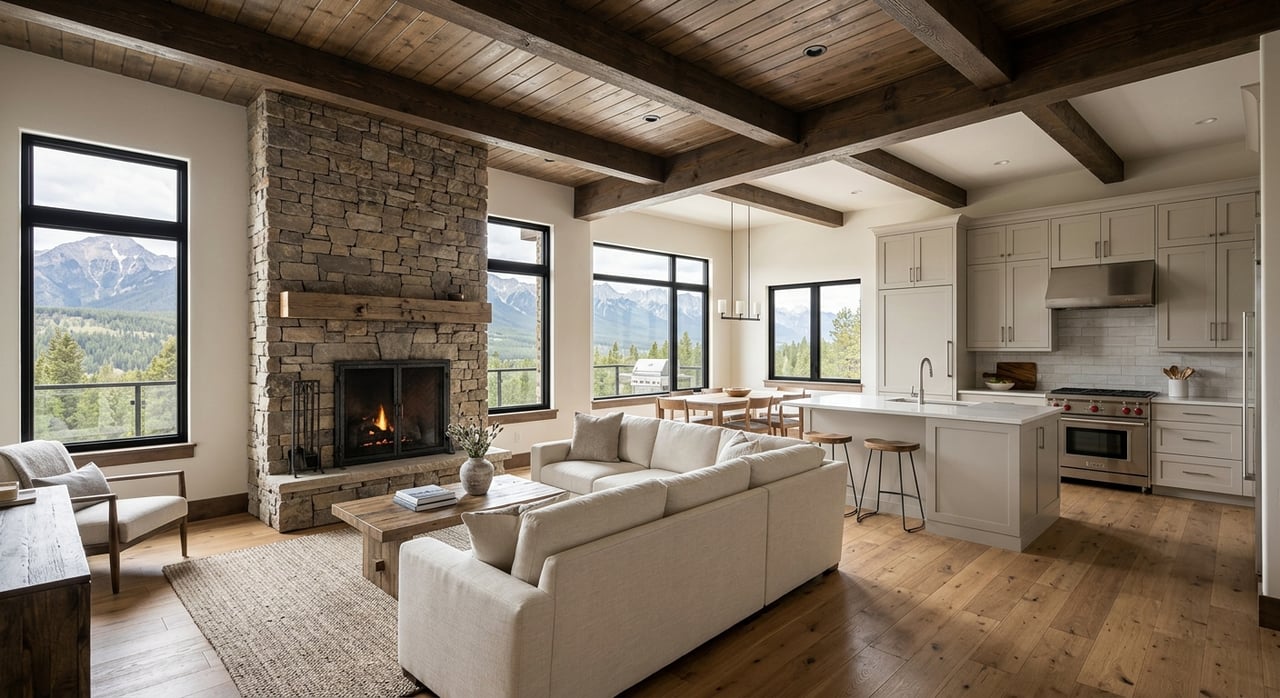
The NAR report also found that the living room, primary bedroom, and kitchen were the most important rooms to stage. For a condo, those spaces help buyers judge how comfortable, functional, and updated the home feels.
A few practical steps can make a big difference:
- Remove clutter from counters, shelves, and entry areas
- Simplify decor so rooms feel larger on camera
- Highlight storage wherever possible
- Open blinds or window coverings to emphasize light and views
- Stage balconies or patios to show usable outdoor space
- Make amenity access and building features easy to understand in your marketing
These details help buyers picture daily use, not just vacation appeal. In a smaller footprint, every visual impression counts.
Be ready for rental and HOA questions
Mountain Area condo buyers often ask more detailed questions than buyers in other segments. If your property may appeal to second-home owners or investors, they will likely want information beyond finishes and floor plan.
The City of Steamboat Springs states that a short-term rental license is required before advertising or operating a short-term rental, and the city notes there is no grandfather clause. The city also makes clear that HOA rules may be more restrictive than city rules.
That means sellers should be prepared with clear, accurate information about:
- Whether the unit is short-term rental eligible
- What the HOA allows or restricts
- What HOA dues cover
- Parking arrangements
- Owner and guest storage options
- Snow storage and winter logistics
- On-site management or check-in systems, if applicable
The city’s licensing materials also include parking and snow-storage planning, which shows how practical winter details can affect buyer decisions. In this market, those answers can build confidence and keep a transaction moving.
Show what makes your condo competitive
Not every Mountain Area condo sells for the same reason. Some stand out because of walkability to the ski area. Others compete on rental flexibility, recent renovation, strong amenities, or a lower-maintenance ownership experience.
The 2024 annual report noted that part of the Mountain Area premium is tied to newer construction and in-demand nightly-rental homes around the ski area. That is useful context for sellers because it shows what buyers are paying attention to in this submarket.
When you market your condo, it helps to clearly identify the features that support its value, such as:
- Proximity to the resort or transit access
- Updated kitchens or baths
- In-unit laundry or owner storage
- Covered parking or easier winter access
- Balcony views or outdoor living space
- Amenity packages such as hot tubs, pools, or fitness areas
- Rental history or rental flexibility, when applicable and documented
A buyer should quickly understand why your condo belongs on their shortlist.
Expect negotiation and plan for it
With average sellers receiving 96.4% of list price in the latest Routt County condo and townhome data, negotiation is a normal part of the process. Buyers may ask for price adjustments, closing cost concessions, or repairs, especially if they are comparing your condo to newer options.
That is why preparation matters so much. A well-priced property with strong photos, useful disclosures, and clear HOA and rental information is often in a better position to hold value during negotiations.
It also helps to think ahead about your goals. If timing matters most, your strategy may look different than if your top priority is maximizing net proceeds. A local, hands-on marketing plan can help you weigh those tradeoffs before your condo goes live.
Work with a local condo strategy
Selling a Steamboat mountain condo is rarely a one-size-fits-all process. You need to position the property for the right buyer, answer resort-market questions clearly, and present it well across digital channels that reach both local and out-of-area shoppers.
That is where local experience can make a real difference. From pricing and prep to listing media and buyer communication, the goal is to make your condo easy to understand, easy to show, and easy to say yes to.
If you are thinking about selling your Mountain Area condo, Ashley Walcher can help you build a smart strategy for today’s Steamboat market.
FAQs
What is the current market for selling a condo in Steamboat’s Mountain Area?
- Countywide townhouse and condo data through February 2026 show 204 active listings, 6.7 months of supply, 104 days on market, and 96.4% of list price received on average, which points to a slower and more negotiable market.
When is the best time to list a Mountain Area condo in Steamboat?
- Local activity patterns suggest late winter to early spring and summer are often strong listing windows, with winter contract activity peaking in March and summer activity staying strong from June through October.
Do Steamboat Mountain Area condos allow short-term rentals?
- Some do, but not all. The City of Steamboat Springs requires a short-term rental license before advertising or operating an STR, and HOA rules may be more restrictive than city rules.
What should sellers prepare for buyer questions on a Steamboat condo?
- Buyers often ask about HOA dues, rental eligibility, parking, storage, snow logistics, amenities, and building management, so having those details ready can help your sale move more smoothly.
How important are photos and virtual tours when selling a Steamboat condo?
- They are very important, especially for out-of-area buyers. NAR reported that listing photos, videos, and virtual tours play a major role in how buyers evaluate homes before visiting in person.