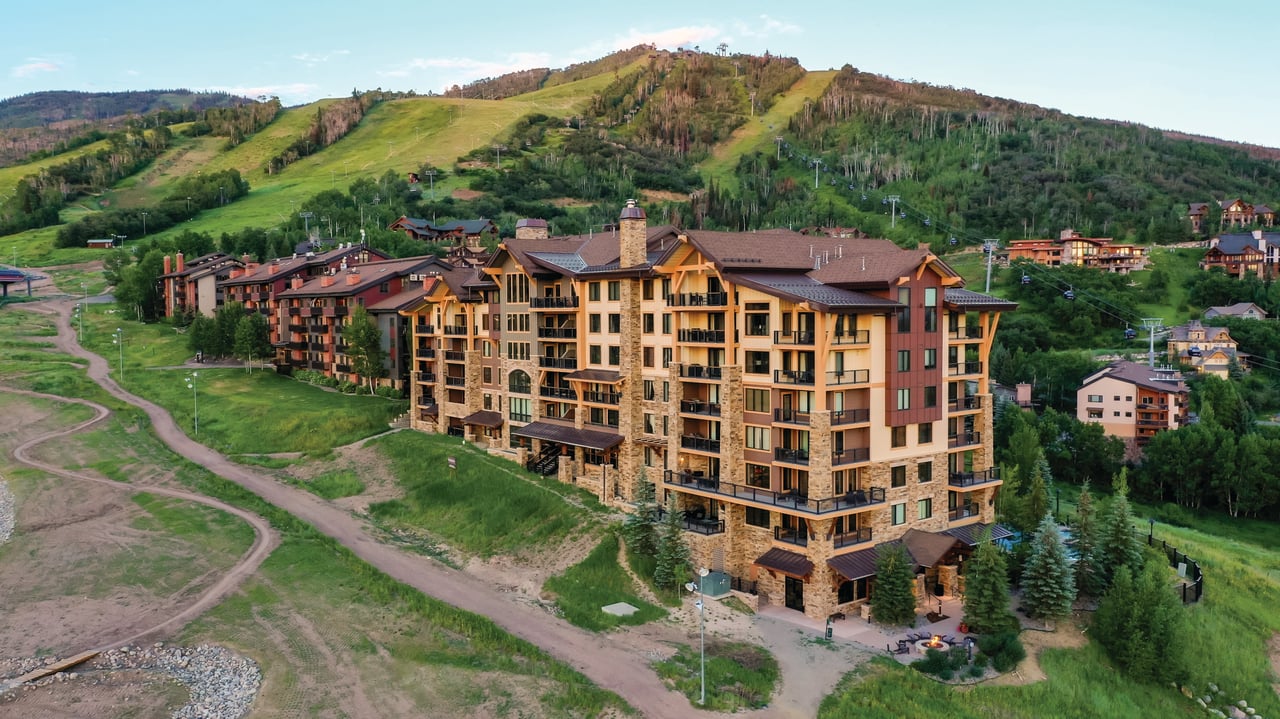
Thinking about buying a mountain home in Routt County? The purchase price is only part of the story. If you want to budget with confidence, you also need to account for taxes, utilities, insurance, HOA costs, closing expenses, and the realities of maintaining a home in a high-snow climate. Let’s walk through the real costs so you know what to expect before you buy.
Property taxes matter more than many buyers expect
In Routt County, property taxes are based on three moving parts: actual value, assessment rate, and mill levy. For tax years 2025 and 2026, the county says residential property uses a 6.8% assessment rate for local-government taxation and a 7.05% rate for school-district taxation.
That matters because your lender does not set your property tax bill. Routt County explains that the assessor sets property value, while local taxing authorities set the mill levies that fund services such as schools, fire districts, libraries, and special districts.
You should also know the timing. The county mails Notices of Valuation by May 1, and tax bills are mailed by the end of January. If your taxes are more than $25, you can usually pay in one installment by April 30 or in two equal installments due at the end of February and June 15.
At closing, tax liability is determined and prorated, so it is smart to confirm those numbers with the title company. That is especially important if you are buying midyear or if the home’s value has recently changed.
If the home will be your primary residence, ask your tax professional whether any Colorado property tax relief programs apply. The state’s senior property-tax exemption, for example, is tied to primary-residence eligibility, so this may affect full-time owners differently than second-home buyers.
Utilities can vary by district
Utility costs in Routt County are not one-size-fits-all. If a home is inside Steamboat Springs city utility service, the 2026 residential base rate is $41.72 for water and $43.23 for wastewater, for a combined fixed charge of about $84.95 per month before usage.
That works out to about $1,019.40 per year before water use charges. In 2027, that combined base charge is scheduled to rise to about $91.50 per month.
Usage is separate from the base fee. In Steamboat Springs, 2026 residential water-use tiers range from $6.23 to $28.04 per 1,000 gallons, depending on how much water you use.
But not every mountain home follows that exact schedule. The City of Steamboat Springs notes that some properties are served by other systems, including Mount Werner Water & Sanitation and Steamboat II Metro Districts. Before you estimate monthly ownership costs, verify which utility district serves the property.
If you are building a home or planning a major addition, there may be another cost to plan for. The city says water and sewer plant investment fees, also called tap fees, must be paid before building permit approval.
Snow and weather create real carrying costs
Mountain living comes with great scenery, but it also comes with real maintenance. NOAA data for the Steamboat Springs station shows annual snowfall normals of 184.5 inches, including 46.6 inches in January and 35.7 inches in February.
That kind of snow affects your budget in practical ways. You may need recurring snow removal, roof and gutter care, winterization services, and more frequent attention to exterior wear.
These costs will vary by home, lot, and access, but they should not be treated as optional. A long driveway, steep access, or large roofline can all increase what you spend each winter.
For buyers coming from lower-elevation markets, this is one of the biggest planning gaps. The monthly cost of ownership in Routt County often includes climate-related upkeep that you may not have needed elsewhere.
HOA dues may be only the starting point
If you are buying a condo, townhome, or property in a planned community, HOA review should be part of your due diligence. Colorado’s Division of Real Estate says buyers should obtain and review the governing and financial documents listed in section 7 of the Colorado Contract to Buy and Sell.
That includes items such as budgets, meeting minutes, and information about whether the community is professionally managed. These records can help you understand both current dues and possible future expenses.
It is also important to look beyond the regular monthly number. Colorado’s HOA guidance explains that associations can levy both regular assessments and special assessments.
Meeting minutes matter for a reason. They may show whether the association is discussing major repairs, reserve shortfalls, or a possible special assessment that could affect your budget after closing.
This is especially relevant in mountain communities, where roofs, siding, snow management, and exterior systems often face more wear from weather. A lower monthly HOA fee is not always the best value if reserves are thin or future repairs are looming.
Insurance deserves a closer look
Insurance is another major ownership cost that buyers should price early, not at the last minute. In Colorado, insurance regulators have said the market is under pressure from hail, wind, wildfire, and rising materials and labor costs.
For some properties, that can mean higher premiums or fewer options. Colorado has also created the FAIR Plan, which the Division of Real Estate describes as an insurer of last resort with higher premiums and limited coverage for properties facing high disaster risks.
If you are buying in an HOA community, you should also verify what the association insures and what you must insure yourself. The Division of Real Estate says HOAs must maintain certain insurance on common elements, and some associations may have additional owner insurance requirements.
Wildfire risk is now part of the conversation as well. Under Colorado’s 2025 insurance law, insurers must provide a plain-language explanation of wildfire risk scores, the score range, the main property features that influenced the score, and any available mitigation discounts or premium adjustments tied to property-specific mitigation.
Flood exposure can matter too, especially near rivers or mapped floodplains in Routt County. Flood insurance may be required in high-risk areas for homes with government-backed mortgages, and lenders may also require it in other cases. Because flood policies usually have a waiting period, it is smart to verify flood exposure early in the process.
Closing costs go beyond your down payment
A lot of buyers focus on down payment and monthly payment, but closing costs deserve their own line in your plan. A common planning range for closing costs is about 2% to 5% of the purchase price, depending on the lender, loan type, service providers, and property location.
Your final Closing Disclosure is typically the most accurate summary of what you are about to pay. It can include lender charges, taxes and other government fees, prepaids, and the initial escrow payment.
In Routt County, there are also local recording-related costs to know. The Clerk and Recorder says most documents recorded after July 1, 2025 cost $43 per document.
Colorado also charges a documentary fee of $0.01 per $100 of consideration when the total exceeds $500. On a $1 million purchase, that works out to about $100.
Those amounts alone will not define your closing budget, but they are concrete local costs you can verify early. If you are buying vacant land or building a custom home, remember to include possible plant investment fees as well.
A smarter way to budget before you buy
The easiest way to avoid surprises is to gather real property-specific numbers before you write an offer. In Routt County, that means asking for the current tax bill, confirming the utility district, reviewing HOA financials if applicable, and requesting insurance quotes for the exact address.
This step matters even more in a mountain market, where two homes with similar prices can have very different carrying costs. Utility district, HOA structure, flood exposure, snow-removal needs, and insurance risk can all change the monthly picture.
If the home is intended as your primary residence, talk with your tax professional about whether any Colorado relief programs may apply. If it is a second home, it is wise to budget conservatively and assume fewer tax advantages.
A well-planned purchase gives you more confidence from day one. When you understand the full cost of ownership, you can choose the right property for your lifestyle, not just the right listing price.
If you want help comparing carrying costs across condos, single-family homes, vacant land, or ski-area properties in Routt County, Ashley Walcher can help you evaluate the full picture before you make your move.
FAQs
What property taxes should you expect for a Routt County mountain home?
- Property taxes in Routt County are based on actual value, assessment rate, and mill levy. For tax years 2025 and 2026, residential assessment rates are 6.8% for local-government taxation and 7.05% for school-district taxation.
What are Steamboat Springs utility base costs for a home?
- For homes served by Steamboat Springs city utilities, the 2026 residential base rates are $41.72 for water and $43.23 for wastewater, for a combined fixed charge of about $84.95 per month before usage.
Why do HOA documents matter when buying a Routt County condo or townhome?
- HOA documents can show monthly dues, reserve levels, management structure, meeting history, and whether a special assessment is being discussed, all of which can affect your true cost of ownership.
How does snow affect the cost of owning a mountain home in Routt County?
- With annual snowfall normals of 184.5 inches at the Steamboat Springs station, owners should plan for recurring costs such as snow removal, roof and gutter care, winterization, and weather-related maintenance.
What insurance issues should buyers check for a Routt County mountain home?
- Buyers should get quotes for the exact address and verify factors such as wildfire risk, HOA insurance responsibilities, and possible flood insurance requirements near rivers or mapped floodplains.
What closing costs should buyers budget for in Routt County?
- In addition to lender and title-related charges, buyers should plan for local recording costs, documentary fees, prepaids, and initial escrow items. A common planning range for total closing costs is about 2% to 5% of the purchase price.